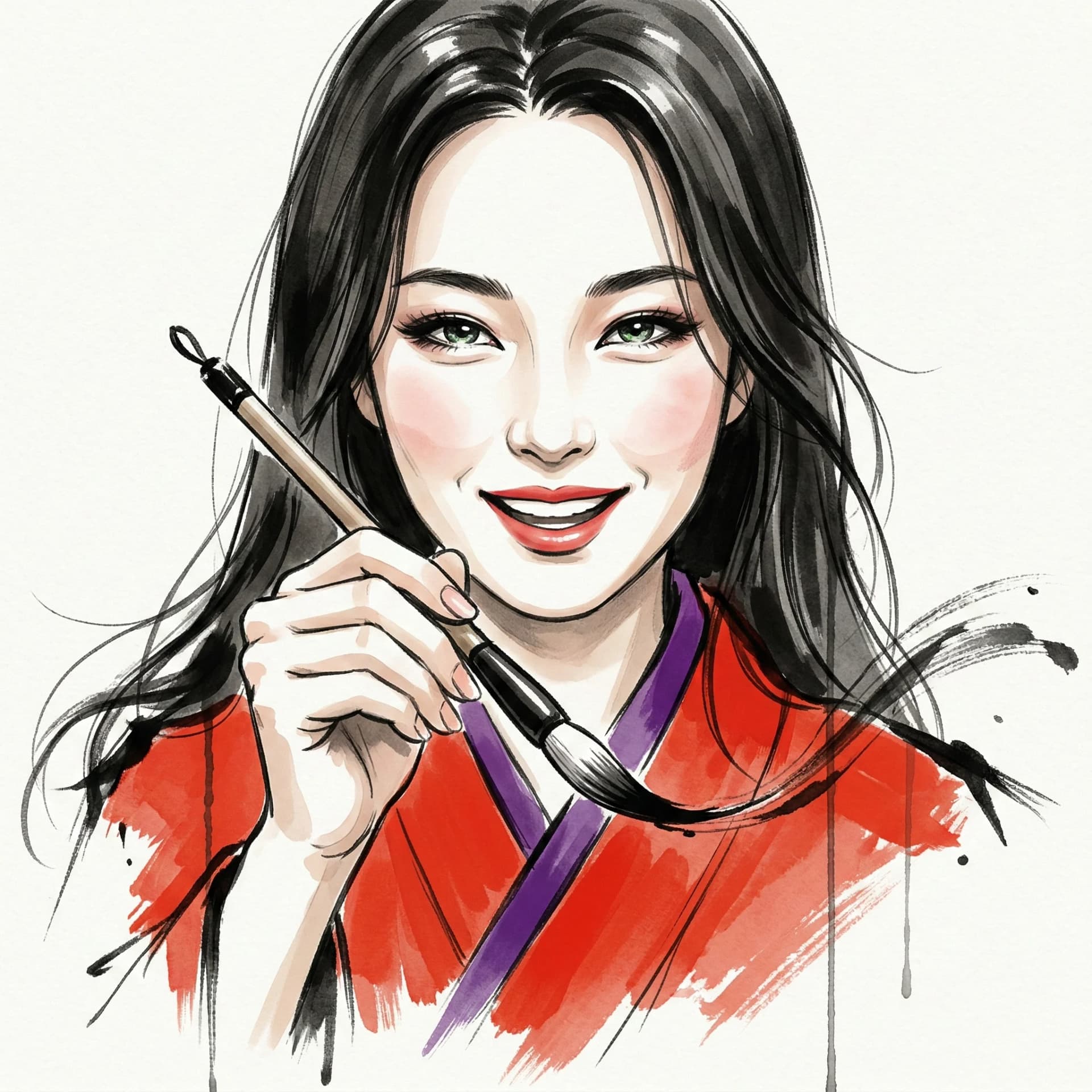
The Creative Healer
Art meets empathy
You see pain others miss and heal it through beauty. Whether through art, music, design, or words, you transform suffering into something meaningful.
Understanding The Creative Healer
The Creative Healer lives at the intersection of art and empathy. You do not just create beautiful things - you create things that heal. Your gift is seeing the pain that others overlook, and transforming it into something meaningful through creative expression.
This is not metaphorical. Art therapy is one of the fastest-growing fields in mental health. Music reduces cortisol levels. Writing about trauma improves immune function. Design thinking applied to healthcare saves lives. You intuitively understand what science is now proving: creativity is medicine.
Your ikigai circle emphasis is Love + World Needs, which means you are driven by a deep compassion for human suffering combined with a passion for creative expression. You cannot separate the two - your art is your healing, and your healing is your art.
Creative Healers often have a personal history of pain that they have alchemised into purpose. You may have experienced loss, illness, discrimination, or trauma - and instead of becoming bitter, you became a channel for transformation. This does not mean your pain was "worth it." It means you have chosen to make meaning from it, and that choice is extraordinary.
Your shadow side is emotional absorption. Because you feel so deeply, you may take on others' pain as your own. Compassion fatigue is a real risk for Creative Healers. You need to build strong emotional boundaries - not to stop caring, but to ensure you can keep caring for years to come.
Creative Healers are found in every medium: the songwriter who writes about grief, the graphic designer who creates mental health awareness campaigns, the architect who designs hospitals that reduce patient anxiety, the teacher who uses drama to help troubled youth express themselves. The medium matters less than the intention - you create to heal.
In an age of AI-generated art, your archetype becomes not less valuable but more so. AI can create technically proficient images, music, and text. But it cannot sit with someone in their darkest moment and create something together that makes the darkness bearable. That requires a human heart - your heart.
Circle emphasis: Love + World Needs
Why AI Needs Creative Healer
AI can diagnose, but it can't hold your hand or feel your pain.
Famous People Who Share This Archetype
Frida Kahlo
Mexican artist who transformed physical and emotional pain into iconic art
Kahlo's entire body of work is an act of creative healing - turning chronic pain, heartbreak, and cultural displacement into art that speaks to millions. She is the archetype's patron saint.
Maya Angelou
Poet and memoirist who healed through words
Angelou survived childhood trauma and used writing to transform pain into beauty. Her work heals readers while honouring suffering - the Creative Healer's signature move.
Oliver Sacks
Neurologist and author who brought humanity to medical writing
Sacks combined scientific rigour with deep empathy, telling the stories of his patients with warmth and creativity. He healed by seeing whole people where others saw only diagnoses.
Yayoi Kusama
Japanese contemporary artist known for immersive installations
Kusama channels her lifelong struggle with mental illness into art that creates wonder and connection. Her infinity rooms heal both herself and her audience through radical beauty.
Patch Adams
Physician who uses humour and clowning as medicine
Adams revolutionised healthcare by insisting that healing is emotional, not just physical. His approach - creativity as medicine - is the Creative Healer archetype in action.
Career guide
Best careers for The Creative Healer
Explore job paths, salary ranges, and work experiments for this archetype.
Relationship guide
The Creative Healer in relationships
Understand how this archetype connects, gives, needs, and handles compatibility.
Career Paths for The Creative Healer
Art Therapist
$45,000 – $80,000Use creative processes to help clients explore emotions, reduce anxiety, and process trauma. A growing field with strong evidence base.
UX Designer for Healthcare
$80,000 – $140,000Design digital health products that reduce patient anxiety and improve outcomes. Your empathy and creativity combine to save lives.
Music Therapist
$40,000 – $75,000Use music to address physical, emotional, and cognitive needs. Work in hospitals, schools, hospices, and rehabilitation centres.
Grief Counsellor
$45,000 – $85,000Support people through loss with both therapeutic skills and creative modalities. Your natural empathy makes this work deeply fulfilling.
Social Impact Designer
$60,000 – $120,000Apply design thinking to social problems - homelessness, mental health, disability access. Your creativity serves the most vulnerable.
How You Compare to Similar Archetypes
Both you and the Gentle Teacher heal through connection, but your medium is creativity while theirs is knowledge. You transform pain through art; they transform confusion through clarity. You heal emotions; they heal understanding.
The Compassionate Rebel fights systemic injustice; you heal individual wounds. Both are driven by empathy, but you work through beauty while they work through activism. You are the healer; they are the warrior.
Are you a Creative Healer?
Take our free 3-minute test to discover your ikigai archetype.
Take the Free Test →Frequently Asked Questions
Do Creative Healers need formal art training?
No. Creative healing is about intention, not technique. Many effective art therapists, music healers, and expressive arts practitioners started with raw talent and empathy. Formal training helps, but your gift is the empathy - the craft can be learned.
How do Creative Healers protect their own mental health?
Through strong boundaries, regular supervision or therapy, and their own creative practice. The key is having an outlet that is just for you - not for clients, not for healing others, but for processing your own emotions through making.
Can Creative Healers make a living?
Yes. Art therapy, music therapy, healthcare UX design, and social impact design are all growing fields with solid salaries. The key is finding the intersection of your creative skills and a market that values healing - healthcare, education, and social services all need you.